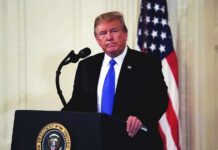
Trump’s White House meeting with Lebanese President Joseph Aoun put Hezbollah disarmament and an Israeli troop pullback at the center of U.S. diplomacy.
Quick Take
- Trump welcomed Aoun to the White House on July 21 to discuss the U.S.-backed Trilateral Framework.
- This was Aoun’s first face-to-face meeting with Trump and the first Lebanese presidential visit to the White House since 2009.
- The talks focused on Hezbollah’s weapons, Israeli withdrawals, and Lebanon’s sovereignty and stability.
- The meeting comes as Washington tries to keep a fragile Lebanon-Israel agreement on track.
Trump Hosts Aoun at the White House
President Donald Trump welcomed Lebanese President Joseph Aoun to the White House on July 21 for talks on how to carry out the Trilateral Framework. Reports said the agreement was signed in June and aims to reduce Hezbollah’s role, expand Lebanese military control in the south, and allow a phased Israeli withdrawal from Lebanese territory.
The visit mattered because it marked Aoun’s first in-person meeting with Trump and the first visit by a Lebanese president to the White House since 2009. The Lebanese Embassy said the invitation reflected the enduring partnership between the two countries and gave both leaders a chance to discuss bilateral relations, regional security, and continued American support for Lebanon’s sovereignty, stability, territorial integrity, and state institutions.
What the Talks Were Meant to Solve
Washington is trying to keep a rare direct channel open between Lebanon and Israel while fighting still shapes the border region. The framework discussions center on Hezbollah’s disarmament and Israel’s withdrawal from southern Lebanon, two issues that sit at the heart of Lebanon’s security crisis and its long conflict with the Iran-backed militia.
That makes the White House meeting more than a photo opportunity. It is part of a larger effort to turn a paper agreement into real steps on the ground, including military control in the south and pressure for a calmer border. Aoun said the trip was meant to advance efforts to end the conflict and move toward a permanent solution.
Why the Timing Matters for the Region
The meeting comes after months of war and unrest tied to Hezbollah and Israel, with U.S.-mediated talks now trying to hold together a fragile ceasefire path. Reuters-based reporting said the White House invitation followed the Lebanon-Israel framework agreement and that U.S. officials also explored a possible trilateral meeting with Netanyahu, although Beirut pushed back while Israeli forces remain in southern Lebanon.
That pushback shows the limits of diplomacy, even when the White House tries to claim momentum. The broad facts still point to a serious attempt to back Lebanon’s state institutions, weaken Hezbollah, and support a withdrawal plan that could improve stability if both sides follow through. For a conservative audience, the key issue is simple: the administration is using American leverage to back a sovereign state and confront a terror-linked force that has long destabilized the region.
Sources:
theepochtimes.com, youtube.com, x.com, thehill.com, timesofisrael.com, news.cgtn.com, washingtoninstitute.org