America’s trust in college has cracked so badly that both Republicans and Democrats now question whether the system still serves ordinary people.
Story Snapshot
- Public confidence in higher education has fallen from nearly 60% a decade ago to under 40% today, with only a brief rebound.
- Many Americans say colleges are too political, too expensive, and out of touch with real job skills.
- Republicans show the deepest distrust, but doubt is spreading across party lines and age groups.
- Students and alumni still say college helps them get good jobs, revealing a sharp gap between public belief and campus reality.
Confidence In College Is Sliding, Not Collapsing
Gallup’s long-running surveys show a clear drop in trust in higher education over the last decade. In 2015, 57% of adults said they had a “great deal” or “quite a lot” of confidence in colleges and universities. By 2023 and 2024, that number had fallen to about 36%, roughly one in three adults. In 2025 trust briefly rose to 42%, the first increase in ten years, but by 2026 it had slipped again to about 38%, leaving the country almost evenly split.
This slide in confidence does not mean Americans see college as useless. Many people still believe education after high school matters for getting better jobs and a more secure life. The problem is trust in the system itself. Seven in ten adults now say higher education is headed in the wrong direction, a sign that they doubt colleges will deliver the value they promise. That mix—seeing the value but doubting the system—is fueling deep frustration on both the right and the left.
Why Many Americans Think College Has Lost Its Way
When Gallup asked people who have little or no confidence in higher education why they feel that way, three reasons stood out. Many said colleges push political agendas in the classroom instead of focusing on balanced debate. Others said schools fail to teach practical skills that lead to well-paying jobs. A third major concern was cost: people see rising tuition and huge student debt and doubt that a four-year degree is worth the price anymore.
Cost worries are intense because they hit home in family budgets. Analysts describe a system where sticker prices keep rising, out-of-state public tuition now averages in the tens of thousands per year, and national student debt has climbed into the trillions. Some experts note that net prices for many aided students have stayed flat or even declined, but that nuance rarely reaches the public. For most families looking at headlines and loan bills, college feels like a rigged game that favors the well-off and leaves everyone else stuck paying for decades.
Politics, Culture, And The Trust Gap
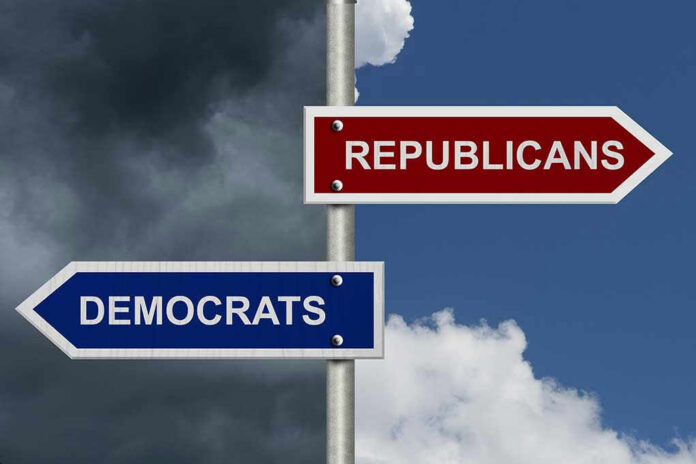
The collapse in confidence is sharpest among Republicans and conservatives. In 2015, more than half of Republicans said they had strong confidence in higher education; by 2025 that share had dropped to about one in four. Pew and Gallup data show many Republicans now believe colleges are too liberal, push one-sided ideas, and do not let students think for themselves. This group is far more likely to say higher education has a negative effect on the country.
Democrats still trust colleges more, but their confidence has slipped too. The percentage of Democrats who view college as “very important” has fallen sharply since 2013. Many Democrats worry about affordability, unequal access, and the growing gap between rich and poor students. Both sides, in different ways, see colleges as part of a wider “elite” system that serves insiders first. That matches a broader mood across the country, where many believe powerful institutions—from government to media to universities—listen more to donors and lobbyists than to ordinary citizens.
Students Say College Works, But The Public Does Not Believe Them
One of the most striking findings in the recent data is the gap between what the public believes and what students and graduates report. In a large Lumina–Gallup study, 90–93% of current students said they are learning skills they need for work. About three-quarters of alumni said their degree was critical or important to their career success. Around 80% of bachelor’s graduates and 62% of associate graduates secured good jobs within one year.
#BreakingNews #Education #HigherEducation #College #University #Gallup #StudentDebt #CollegeCosts #AI #ArtificialIntelligence #Workforce #MyInfoJet
Confidence in U.S. Colleges Falls to Record Low as Americans Question Cost, Politics, and Career Valuehttps://t.co/m8dggV1w0d
— Chukwudi Obinwa (@ObinwaChukwudi) July 15, 2026
Students also report that campuses are more open than many critics think. About two-thirds to three-quarters of students across political groups say they feel encouraged to share their views, and most feel they belong on campus. That does not mean there are no cases of bias or censorship, but it suggests most students are not experiencing daily “indoctrination” as some outside voices claim. The reality on campus and the mood off campus no longer match, and that mismatch feeds the larger trust crisis.
What This Says About The System, Not Just The Schools
This confidence fight over colleges is really part of a larger story about faith in American institutions. Many citizens now see a pattern: rising costs, complex rules, and leaders who talk about “equity” and “innovation” while ordinary people feel stuck. In higher education, that shows up as families squeezed by tuition, workers unsure their degrees will pay off, and voters watching elite campuses speak the language of justice while charging prices only the well-off can easily afford.
Experts across the spectrum argue that fixing trust will require more than public relations. They call for clear program-level data on costs, job outcomes, and wage gains, so students can see the real return on different degrees. They also suggest independent reviews of campus speech policies and curriculum to test claims of bias or indoctrination with facts, not slogans. Without that kind of hard transparency, the gap between what students experience and what the public believes will keep growing—and more Americans will decide the college system belongs to the “deep state” of elites, not to them.
Sources:
facebook.com, news.gallup.com, gallup.com, progressivepolicy.org, washingtontimes.com, ednc.org, forbes.com, aau.edu, aol.com, foxnews.com, highereddive.com, heterodoxacademy.org, kshb.com, universityworldnews.com, rossier.usc.edu