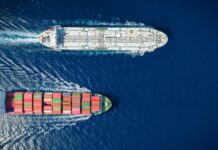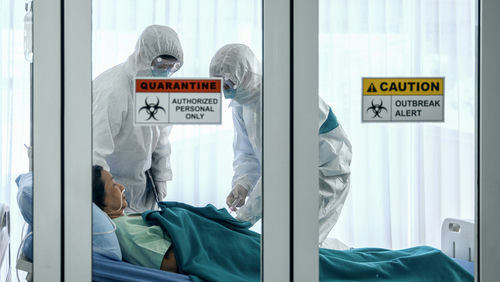
A virus scare on the MV Hondius cruise ship exposed how fast fear can spread when passengers are left in the dark.
Quick Take
- The World Health Organization says the outbreak is over after the final monitored contacts finished quarantine.
- Passengers described a confusing evacuation and weak communication during the ship crisis.
- Officials say the general public faced a very low risk, even as media coverage used harsh language.
- The outbreak involved 13 cases and three deaths, but no new cases were reported after May 25.
What Passengers Said About the Evacuation
Passenger testimony has added a new layer to the cruise ship outbreak story. One quarantined traveler described the evacuation as chaotic and said information moved slowly among passengers. That account does not change the medical findings, but it does raise a fair question about how well the ship handled communication once the danger was known. On a crowded vessel, clear and fast updates matter just as much as isolation measures.
The complaint is not that health officials missed the threat. The main issue is whether the cruise line gave passengers enough facts, fast enough, to let them protect themselves. Public health agencies later said the outbreak posed a low risk to the wider public, and they tied the spread to close contact on board. That makes the ship’s response and passenger messaging the most serious unresolved part of the story.
What Health Officials Say Happened
The World Health Organization said the outbreak involved 13 cases and three deaths, then declared it over after all identified contacts finished the 42-day follow-up period without new cases. The Centers for Disease Control and Prevention also said the risk to the American public was extremely low. WHO said the evidence points to human-to-human transmission on board, supported by nearly identical viral sequences from different cases and by the lack of new cases after May 25.
WHO also said the general public was not the main risk group. The agency said people not exposed on the ship or through close contact faced a low chance of infection. That matters because the loudest media framing often turned a contained outbreak into a wider panic story. The facts are more limited than the headlines suggested. This was a serious shipboard health event, not a broad outbreak in the United States.
Why the Cruise Ship Environment Made Things Worse
Cruise ships are built for close contact. People eat together, share halls, and spend long hours in enclosed spaces. That setting can help a virus move faster once it enters the ship. Health officials said the outbreak likely spread through close and prolonged contact, which is consistent with how Andes virus behaves. The World Health Organization also said routine public activity did not need to change, because the wider public risk stayed low.
World Health Organization Declares End to Hantavirus Outbreak.
The outbreak began on a cruise ship, leading to 13 infections and 3 deaths.
Over 650 people in 33 countries were monitored. pic.twitter.com/RFAcmiCkc7
— S p r i n t e r (@SprinterPress) July 4, 2026
The deeper issue is simple. When passengers feel ignored, they lose trust fast. When media outlets call every serious outbreak the next COVID, they also blur the line between real danger and broad panic. This case shows both problems at once. The medical response appears to have stopped further spread. The communication response, according to at least one passenger account, was far less orderly and left people stranded with too little information.
Why the Outbreak Stopped Spreading
The best evidence now points to containment. WHO said no new cases were reported after May 25, and it later closed the outbreak after the monitoring period ended. That is an important result, especially for families who worried about a wider spread. It also shows why quarantine, contact tracing, and isolation still matter when a rare virus appears on a ship. Even a dangerous disease can be boxed in when officials move early and the chain of contact is tracked.
The lasting lesson is not panic. It is accountability. The ship’s passengers deserved faster, clearer answers, and the public deserved a calm report instead of alarmist spin. Health officials eventually contained the outbreak, but the passenger account suggests the human side of the response was messier than the final medical tally. For readers who value order, transparency, and common sense, that is the part worth watching most closely.
Sources:
nypost.com, globalnews.ca, medicalxpress.com, bbc.com, pbs.org, who.int, instagram.com, en.wikipedia.org, cdc.gov, youtube.com, facebook.com, cbc.ca, cidrap.umn.edu, samandashlaw.com, reddit.com, sciencedirect.com, nytimes.com, gavi.org, ecdc.europa.eu, action.alz.org, hopkinsmedicine.org, respiratory-therapy.com